





In industrial manufacturing, choosing welding equipment is not a simple task. The equipment you choose will affect weld quality, production efficiency, working stability, and long-term costs.
Many problems such as poor weld quality or frequent downtime are caused by equipment that does not match the real application.This article explains how engineers and purchasing teams can choose welding equipment more correctly for industrial use.
Start with Real Application Requirements
Before checking specifications or comparing suppliers, you should first understand how the welding equipment will be used in daily production.
Important points include the type of material, material thickness, and whether production is occasional or continuous. Quality requirements are also important. Some jobs focus on weld appearance, while others focus on strength or stable results in large production volumes.
These factors help decide whether MIG welding, TIG welding, plasma cutting, or oxy-fuel cutting is the right choice. Choosing equipment without clear application information often causes problems later.
Understand Which Technical Specifications Matter Most
Many buyers look only at power ratings, but for industrial welding, stable performance is more important than high peak power.
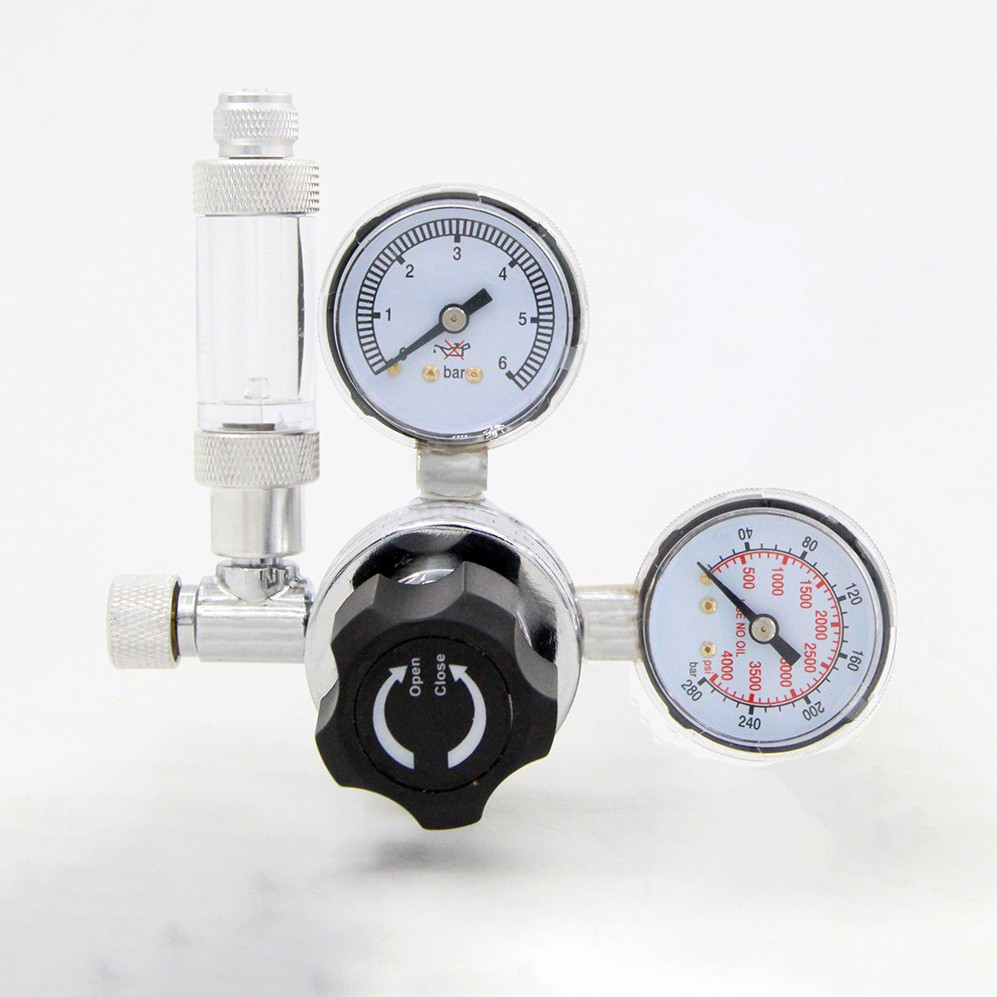
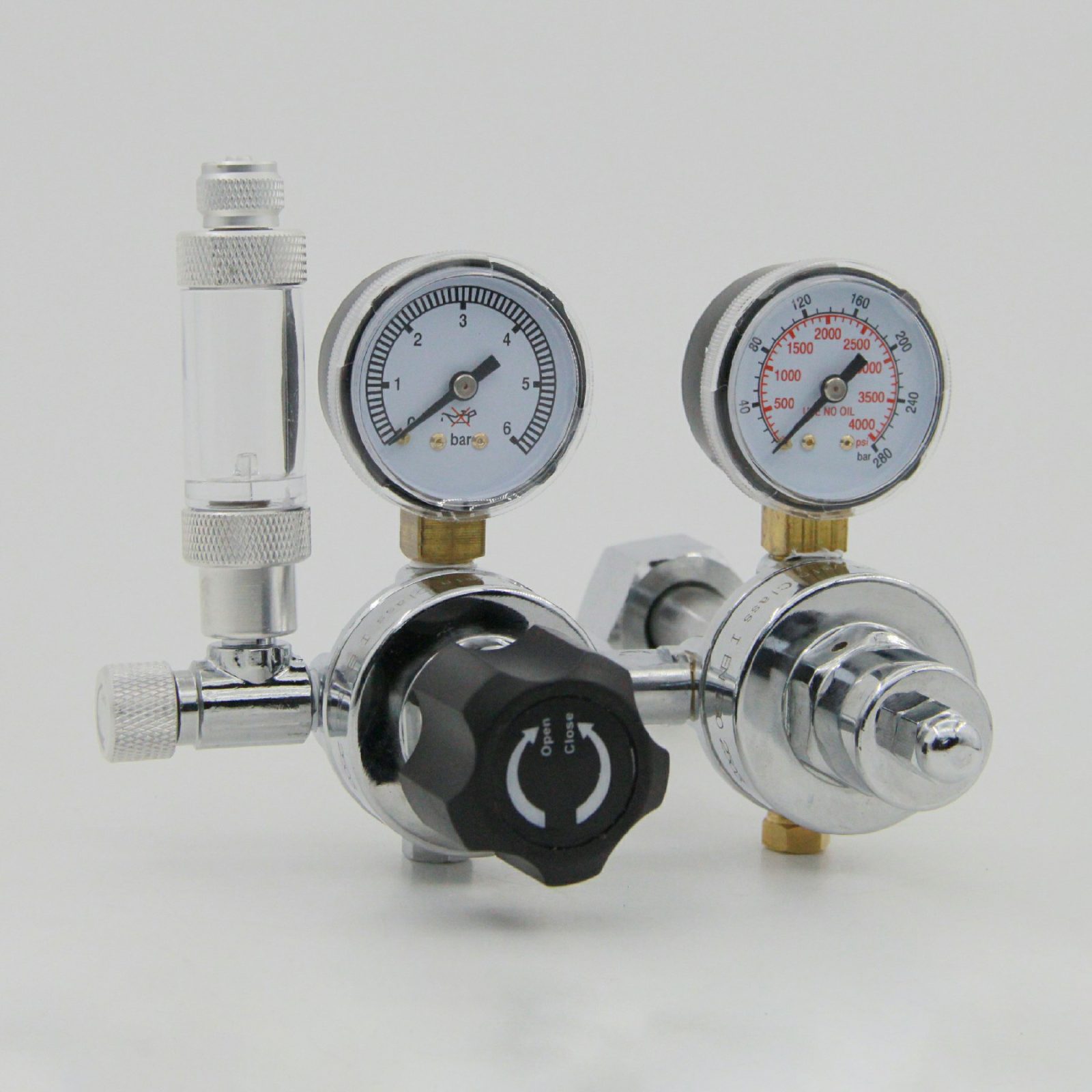
Key technical points include stable output during long working hours, accurate gas flow and pressure control,and clear duty cycle limits. Equipment that works well in short tests may not work the same in long production runs.
In many factories, unstable gas control is a hidden reason for weld defects and rework. Stable welding gas control is very important for consistent results, especially in high-volume production.
Match Welding Equipment to Industry Needs
Different industries have different welding requirements.For this reason, industrial gas control solutions are often designed for specific working conditions.
Automotive manufacturing usually needs high accuracy,repeatable results, and support for automated systems. Structural steel work needs strong, durable equipment that can handle heavy workloads. Stainless steel and precision work require accurate gas control to keep welds clean and reduce defects.
Using one general solution for all applications often reduces efficiency and increases operating costs.
Think About Long-Term Cost, Not Only Price
The purchase price is only one part of the total cost. Over time, cost is affected by equipment lifetime, maintenance needs, spare part supply, and technical support from the supplier.
In many industrial environments, equipment built for long-term stable welding performance can save money by reducing downtime and repair work during its service life.
Choose a Supplier with Industrial Experience
A good welding equipment supplier should offer more than basic product information. welding equipment manufacturer with application experience can suggest suitable solutions based on real working conditions, not only standard data.
Clear technical documents, required certifications, and the ability to adjust products for special needs are signs of a supplier that can support long-term projects. Early technical discussion often helps avoid problems after installation.
Final Thoughts
Choosing welding equipment for industrial use means finding the right balance between technical needs, working conditions, and long-term reliability. By focusing on real applications, understanding key technical points, and choosing experienced suppliers, manufacturers can achieve stable and efficient production.
If you would like to discuss your welding application with our technical team, early communication can help reduce risks and improve project results.
Related Articles